
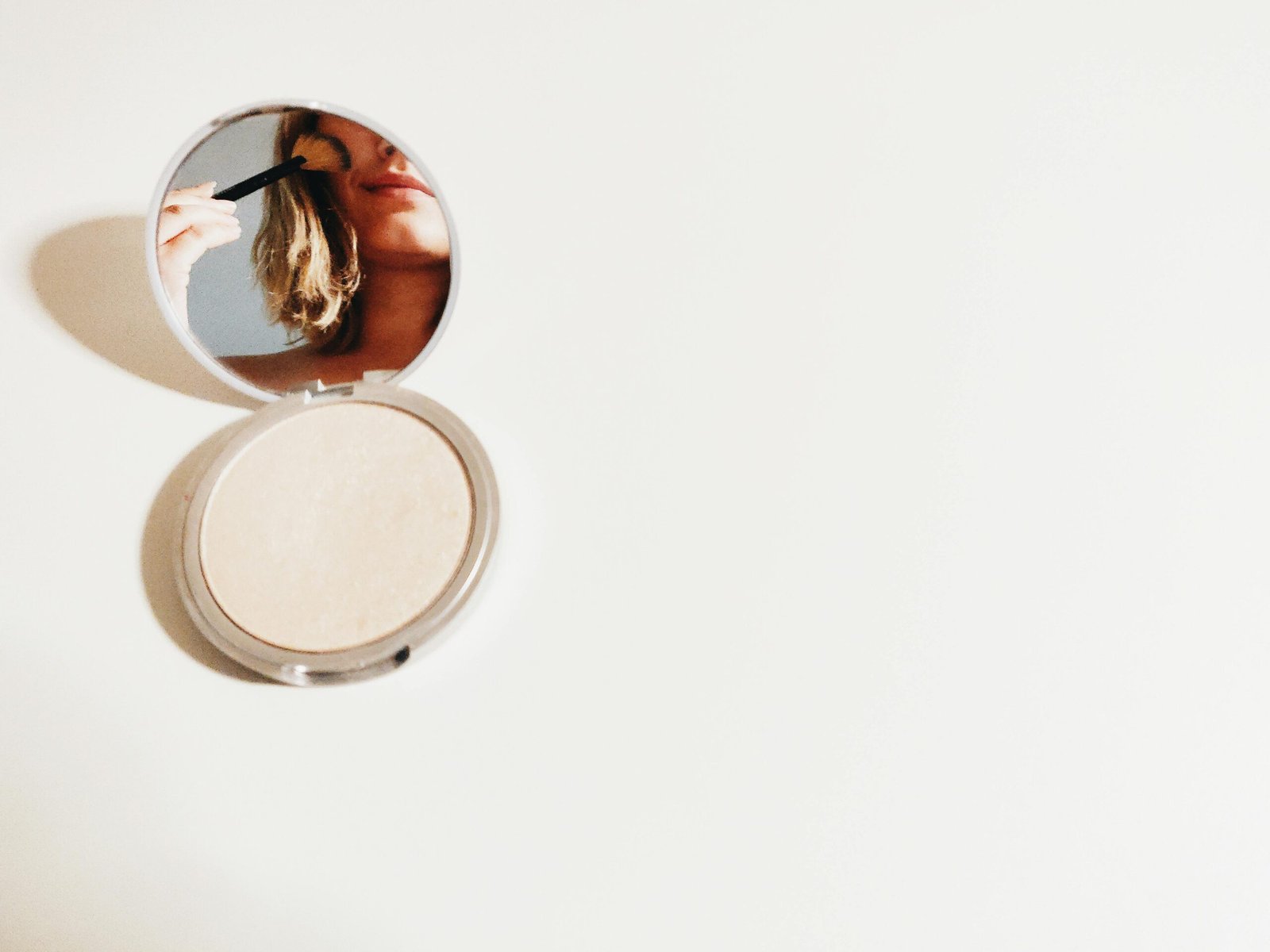
For almost ten years, my skin ruled my life. I would wake up thinking about my acne, spend hours researching how to fix it, and go to sleep worrying about what new spots might appear the next morning. My skin really did consume my life, it was all I would think about.
Now things are very different. My skin no longer dictates my mood, my plans, or how I see myself. In fact, most days I do not even think about it. And a few years ago, I genuinely did not believe that would ever be possible. I was convinced I was cursed to have acne for the rest of my life.
Looking back, what helped me the most was unlearning a lot of the advice and beliefs that were actually keeping me stuck. There’s a lot of outdated and generic advice out there that isn’t helping your skin, and might actually be slowing down your progress.
Here are five of the biggest things I had to unlearn during my acne healing journey.
1. Restriction clears acne
One of the most common pieces of advice people with acne still hear is that the answer is to keep cutting out more foods. Dairy often gets the blame, then eggs, soy, peanuts, gluten and sugar, and eventually it can start to feel like you can’t eat anything.
I followed this advice for years and many of my clients have done the same before working with me. At first it can feel like the logical thing to do. If something is triggering your skin, removing it should help, right?
Sometimes removing certain foods can temporarily reduce symptoms, but it is important to understand that removing foods is rarely fixing the root cause of acne. More often than not it is simply providing short-term symptom relief (or actually not providing any relief at all). Because removing foods doesn’t actually fix an overgrowth of bacteria, nutrient deficiencies, blood glucose issues or stress.
The problem is that over time this approach can start creating another issue entirely. When you constantly feel anxious about what you are eating, checking ingredients, worrying about whether something might cause a breakout, food starts to become stressful instead of nourishing. And ironically, that stress can also affect your skin.
What many people do not realise is that healthy skin actually thrives on diversity. A varied diet provides a wider range of vitamins, minerals, antioxidants and healthy fats that help support skin repair, hormone balance and inflammation regulation. When too many foods are removed, people often end up missing out on nutrients that their skin genuinely needs in order to heal.
This does not mean food never plays a role in acne. For some people they might not tolerate one food, but there shouldn’t be a long list of foods you can’t eat. The goal should never be endless restriction. The goal is to build a nourishing and balanced diet that supports your body as a whole.
2. More skincare = better skin
When my acne was at its worst I became completely obsessed with skincare. I watched endless YouTube videos about acne, read every blog I could find and spent hours researching products that promised to clear breakouts.
I was convinced that the solution to my skin problems was out there somewhere in a bottle. Eventually I had an entire cupboard filled with skincare products. I was using exfoliating acids, spot treatments, masks, 3 different cleaners and almost every acne fighting product you could think of. Alongside this I also had multiple chemical peels.
The strange thing was that my skin did not improve. If anything it often felt worse.
What I did not understand at the time was that I had completely compromised my skin barrier. The skin barrier is the outer protective layer of the skin that helps maintain hydration and protects against irritation. When this barrier becomes damaged it makes it harder for the skin to heal, and in the process you end up with more textured, red and inflamed skin.
Many people with acne unknowingly end up in this situation because the advice online often encourages layering multiple active ingredients and constantly trying new treatments.In reality, most people do far better with a much simpler routine. A gentle cleanser, a targeted serum, a moisturiser and daily SPF is often more than enough to support the skin barrier and allow the skin to repair itself.
Sometimes doing less for your skin is exactly what it needs.
3. Acne is just a skin problem
For a long time I believed my acne was purely a skin issue. My entire focus was on what I could apply to my face to clear it. I thought the solution would come from the right product, the right treatment or the right ingredient.
At the same time I was ignoring several other symptoms my body was giving me.
I was constantly tired, my periods were painful and irregular, and my digestion was honestly awful. My IBS was so bad that I often looked like I was about to give birth because the bloating was so extreme. But at the time I never connected these symptoms to my skin.
Looking back now they were actually huge clues about what was going on internally. Hormonal imbalances, digestive issues and nutrient deficiencies can all have a significant impact on the skin, but I simply did not know that at the time. I thought the issue was just my skin. And even though I felt rubbish in these other areas of my life, I just wanted my acne gone!
It was not until I started studying nutrition that I began to piece everything together. I learnt how gut health, hormones, inflammation, nutrient levels and blood sugar balance can all influence skin health.
When I started supporting my body as a whole rather than just focusing on my face, things finally began to change. My digestion improved, my energy improved and gradually my skin began to improve as well.
This is why I now approach acne through both nutrition and skincare support. The skin is not separate from the body and often the real answers lie deeper than the surface.
4. That acne makes me ugly
This belief was probably one of the most damaging parts of my acne journey. When my acne was at its worst I would wake up every morning, look in the mirror and immediately rip myself apart. I constantly told myself how ugly I looked with spots, I’d constantly check my face multiple times throughout the day to see if breakouts had healed or if new ones had popped up.
And let me tell you – this did nothing to help my skin.
What it did do was trigger a stress response and destroy my confidence. I was essentially being my own biggest bully every single day. When you’re struggling with acne, your brain can become hyper-focused on every detail of your skin. You notice every spot, every red mark and every imperfection in a way that other people simply do not.
Most people are not analysing your face nearly as much as you think they are. No one thinks you’re as ugly as you believe you are right now.
Imagine a friend speaking to you the way you speak to yourself about your skin. If someone constantly told you that you looked ugly because of acne, you probably would not keep them in your life for very long. Yet many of us repeat these exact same words to ourselves.
Therapy helped me a lot with this part of my journey because it allowed me to challenge some of those negative beliefs and stop the constant spiral of self-criticism. This does not mean you suddenly wake up loving your acne. But it is possible to stop attacking yourself every day and start treating yourself with a bit more kindness. If these beliefs are not addressed they can actually follow you even after your acne improves, which is when the pressure to have perfect skin can begin, and you’ll never be happy with how your skin looks.
5. That supplements and skincare can outdo stress
I wish someone had told me this earlier because it is a lesson I learned the hard way.
There was a period where I felt like I was doing everything right. I had a skincare routine, I was taking supplements and I was trying to follow all the advice that was meant to help acne. The problem was that my life was incredibly stressful. I was overworked, constantly busy and often not sleeping enough. My body was running on stress most of the time and I did not realise how much this was affecting my health.
When the body is under chronic stress it becomes much harder to heal. Stress can influence hormone balance, inflammation, digestion, blood sugar regulation and sleep quality, all of which play a role in skin health. No supplement or skincare routine can fully compensate for a body that is constantly exhausted or overwhelmed.
One of the biggest improvements in my skin happened when I started focusing on creating a healthier work life balance. I prioritised sleep more, allowed myself more downtime, started saying no to things, and stopped pushing myself to the point of burnout.
Interestingly my skin has been its most stable during the periods of my life when my stress levels have been the lowest.
Your acne will clear
Looking back now, clearing my acne was not about finding a miracle product or following the strictest diet possible. It was about understanding my body better and letting go of the beliefs that were actually making things harder.
Once I stopped trying to control every single aspect of my skin and started supporting my overall health instead, things gradually began to shift. If you are currently struggling with acne, please know that it is possible to reach a place where your skin no longer controls your thoughts, your confidence or your daily life.
Healing often requires a more personalised approach than the internet suggests, but when you start looking at the bigger picture of nutrition, lifestyle, hormones and mindset, real progress becomes much more achievable.


0 Comments