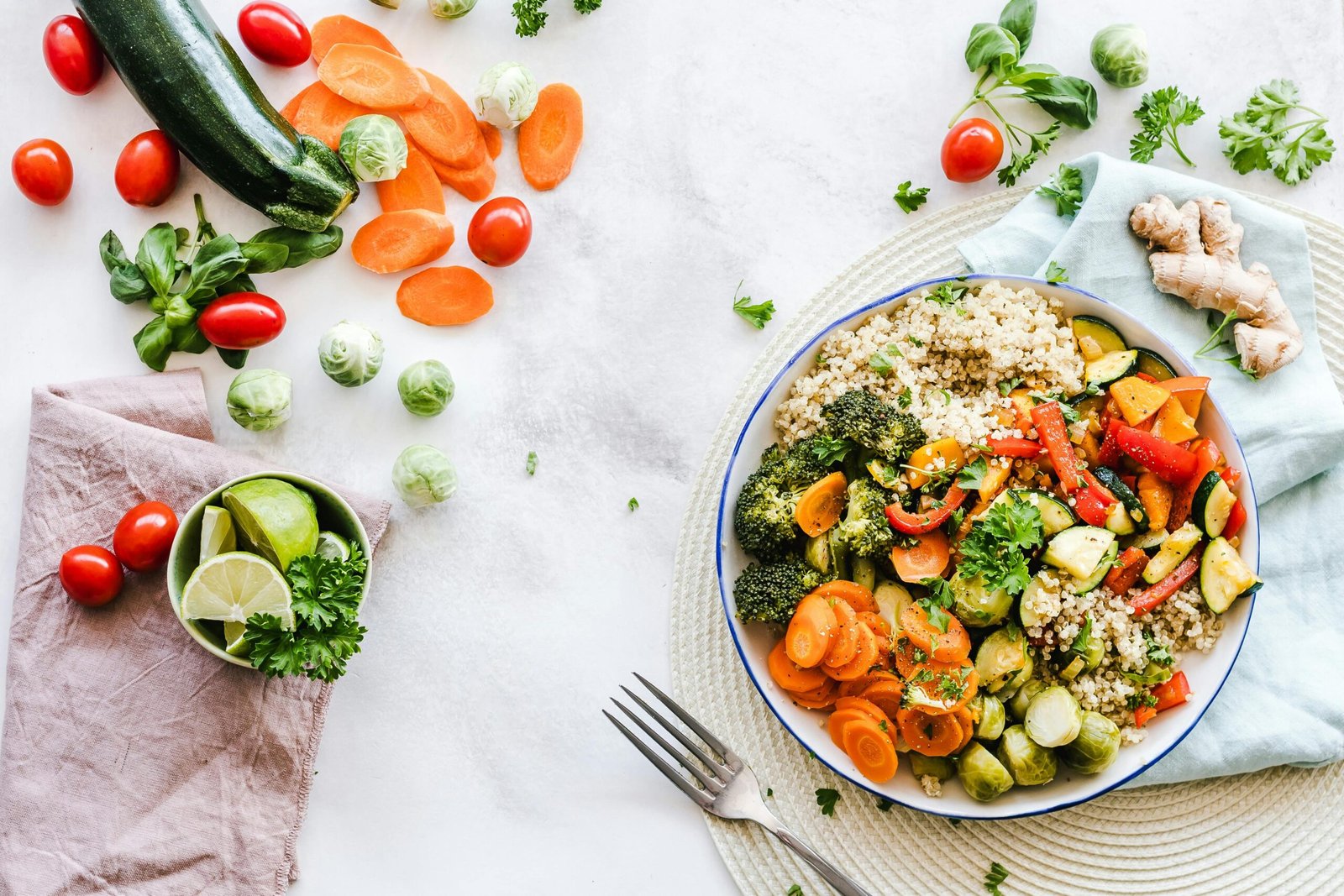
If you’re reading this, maybe you’ve gone plant based and your period has disappeared, become irregular, or changed in heaviness, and you’re starting to question whether that is actually normal. Or maybe you’re thinking about going vegan or plant based and you want to understand if following a plant based diet affects hormones.
I recently followed a fully plant based diet for Greek Orthodox Great Lent, and I want to share my experience honestly. Because it did not go how I expected.
What is Greek Orthodox Great Lent?
Before we get into what happened, let’s just cover what this fasting period is. Greek Orthodox Great Lent takes place in the lead up to Easter. There are different levels depending on the individual, but the stricter version involves removing all animal products, as well as avoiding oil and wine during the week. On weekends, oil and wine are allowed.
I had never done this before, but I had always been curious. I know there’s loads of benefits to increasing your plant foods (I’m a nutritionist of course). And although my normal diet is actually mostly plants – I still have animal protein in at every meal in the form of meat, fish, dairy or eggs. So I wanted to see how I’d react living completely off plants.
This year felt like the right time. I chose to follow a stricter version, although I did keep olive oil in because I basically add that liquid gold to every single meal. For context,I’m a nutritional therapist. I wasn’t approaching this casually or just hoping for the best. I went into it fully aware that certain nutrients can be harder to obtain on a fully plant based diet, and I actively tried to support my body. I took a multivitamin, omega-3, and used a protein powder. I genuinely believed that if I did everything properly, I could make it work.
Why I Decided to Try A Plant-Based Diet
At the time, I felt stuck in a bit of a rut with food. I was cooking the same meals, using the same ingredients, and nothing felt particularly inspiring. So when I decided to try this, it felt exciting. It gave me a reason to try new recipes, experiment with different flavours, and approach food in a more creative way.
Of course, I bought a new cookbook, Flavour by Ottolenghi, which made the whole experience feel even more enjoyable. His recipes genuinely make vegetables taste incredible. And I want to be clear about this, because it matters. I LOVED all the food I cooked over these four week. This was not a case of me struggling because I didn’t enjoy what I was eating.
But enjoying your food and actually feeling well on it are two very different things. Someone can enjoy eating McDonald’s every day but it doesn’t mean it’s right for their body.
Week 1 – I was excited to get started
I was motivated, excited, and really enjoying the process of cooking in a different way and eating new foods. This is how most people start when they make a change – I’m sure we’ve all experienced that new year, new me energy where you find all this motivation overnight and go hard on your new habits.
However, one issue became obvious very quickly, and that was protein intake. It was so much harder than I expected to include a decent amount of protein in each meal; the only way to do it was to have beans and tofu in at every meal.
I started centring all my meals around beans or tofu, and even when I added in a protein shake, I was still only reaching around 50 grams of protein per day. I was shocked! For me personally, that is the minimum intake needed just to prevent deficiency, not to support optimal hormone health, muscle maintenance, or overall wellbeing.
So although I felt good in terms of enjoying my meals, nutritionally, I knew it was not ideal.
Week 2 – started to doubt my decision
I was still committed, I had made the decision, I had shared it publicly, and I wanted to see it through. I was still enjoying the food. But there was a quiet voice inside me questioning whether this was the right thing to do.
When you make a big change, your brain isn’t always onboard. It resists change, it wants familiarity. And this can often look like reverting straight back into your old habits because all the brain wants to go back to want it knows. So these thoughts, excuses and anxiety come up about your new habit.
So I told my brain to shut up and just kept goin with my changes!
Week 3 – mood changes
Week three was when things really took a turn for the worst.
I moved into my luteal phase, which is the phase in your cycle after ovulation and before your period, and this is typically when a lot of women feel their worst in their cycle. I will feel a bit irritable or emotional around this time, but it’s never anything that dramatically impacts my life.
But this time, it felt extreme. And in a way, I’m glad I experienced it because now I realise how much people’s mood can change due to their hormones. When women say they’re two different people across their cycle, believe them! I started crying every single day – for no reason. I felt depressed, and my anxiety was raging. I was struggling to sleep which was making the whole situation worse.
I questioned whether it could really be the diet, because surely changing your diet couldn’t affect me that quickly? But when you look at the impact of nutrition on brain function and mood, it’s possible that it was affecting me.
When we eat protein, our body breaks it down into little Lego blocks called amino acids. The body then uses these amino acids to build and repair things in the body. Some of these amino acids are essential, meaning the body can’t make them, you have to get them through food. And guess which ones are essential? Tryptophan, which is used to make serotonin and melatonin which help with mood and sleep, and phenylalanine which is used to make dopamine.
Some of these are found in higher amounts in meat, fish, dairy and eggs. But you will still get them from plant-based foods – I just think my biggest issue was that I wasn’t getting enough protein overall.
Week 4 – my hormones were off balance
By week four, the impact on my hormones was now clear. My period was a full week late, which is very unusual for me. And when it finally arrived, it was extremely painful. I have experienced period pain before, but it has always been manageable with paracetamol. This time, nothing seemed to relieve it.
The bleed itself also changed. It lasted just one day and was extremely light – I could have kept the same sanitary product in the whole time… which of course I didn’t, but I hope that shows how light this period was. Now, loads of plants are usually great for hormones. The combination of phyto-oestrogens, phytochemicals and fibre can help to support healthy oestrogen levels, so I was honestly surprised that this period was so painful.
Why a plant-based diet affected my hormones
There is rarely one single reason when it comes to hormonal changes. In my case, it was likely a combination of factors working together. Let’s run through some of them:
Not eating enough
Plant-based diets tend to be higher in fibre and lower in calorie density, which means you need to eat a larger volume of food to meet your energy and nutrient requirements. I struggled with this more than I expected. For example, I would prepare a bowl of oats with nut butter, seeds, and protein powder, but I would feel full halfway through. Even though the meal looked balanced, in reality, I was not consuming enough of it. This meant I was often under-eating, particularly when it came to protein and overall energy intake, which can directly impact hormone production and ovulation.
Nutrient deficiencies
A lot of people skim over this, and mostly say the only two nutrients you need to worry about are B12 and protein. But in reality, there’s actually a lot more nutrient deficiencies that can happen on a plant-based diet. I did try and overcome this by taking a multivitamin, but I don’t think I was able to out supplement what I was missing from my diet here. Here’s some examples:
Iron
Plant foods provide non-heme iron, which is significantly less bioavailable than the heme iron found in animal products. This can actually be beneficial if you have iron overload and need to reduce how much iron you absorb from food, but if you are already low in iron, this can start to become a problem. When the body is deficient in iron, it will try and absorb as much as possible to regulate stores. However, it has been noted that menstruating women who follow a vegetarian diet are more likely to have an iron deficiency, and both vegeterian & vegan men and women have are more likely to have low ferritin (which is your stored iron).
Zinc
Zinc is another important nutrient for hormones, skin, and immune health. While it is present in foods like legumes, whole grains, nuts, and seeds, its absorption is reduced due to compounds called phytates, sometimes known as anti-nutrients. You can overcome the anti-nutrients by soaking and cooking the foods which helps with zinc absorption. But, animal-based sources provide zinc in a form that is much easier for the body to use. One study found that female vegans had significantly lower zinc than female omnivores, and their levels of bioavailable zinc was significantly lower too.
The body also relies on daily intake of zinc through food, as we don’t have a storage system like we do for iron. That means that when dietary intake is reduced, levels of zinc can decline pretty quickly, within a matter of weeks. But the good news is, the levels can increase quickly when dietary intake is increased again.
Vitamin A
Vitamin A is another consideration. Plant foods provide carotenoids, which need to be converted into active vitamin A for the body to use. Not everyone does this efficiently, and genetic differences can play a role here. Preformed vitamin A from animal foods is immediately usable by the body and is important for hormone production, skin health, and immune function. A small study measured the levels of vitamin A in vegans, and found that they were low in the nutrient. And after 4 months of supplementation, the levels didn’t significantly improve. Now this could be that the dosage recommended in the supplement (750ug of vitamin A) wasn’t high enough to correct the deficiency. But it may suggest that relying on the conversion of carotenoids to preform vitamin A from diet alone isn’t enough, and you may need a much higher dose of vitamin A to correct the deficiency.
Omega-3
Omega-3 fatty acids are another nutrient that I feel isn’t flagged enough when it comes to plant-based diets. I initially thought I was covering this well through foods like avocado, nuts, seeds, and olive oil, alongside a fish oil supplement that provides 1g of EPA+DHA combined, but I’m unsure if this was actually enough.
Plant foods provide a form of omega-3 known as ALA, which needs to be converted into EPA and DHA, the forms most strongly linked to hormone health, brain function, and reducing inflammation. On average, only around 5–11% percent of ALA is converted into EPA, and even less into DHA, around 1–5%.
When you look at a more realistic day of eating, it might include something like one avocado, a handful of walnuts, a tablespoon of milled flaxseeds, and some olive oil. This would give you roughly 5.3 grams of ALA in total. With a generous conversion rate of 10 percent to EPA and 5 percent to DHA, this would provide approximately 530 mg of EPA and around 265 mg of DHA. However, if someone is on the lower end of conversion, closer to 5 percent for EPA and 1 percent for DHA, this would provide closer to 265 mg of EPA and just 50 mg of DHA. One fillet of salmon will provide approximately 1.2g of EPA + DHA alone, and I was eating fish AND taking a fish oil supplement before.
Even on a well-planned plant-based diet, you may still be falling short of the levels that are most supportive for hormone health. And this is before considering that many people have reduced conversion due to genetics, nutrient deficiencies, or overall metabolic health.
Omega-3 plays an important role in regulating prostaglandins, which are compounds involved in inflammation and period pain. Lower levels of EPA and DHA may contribute to higher inflammation and more painful periods, which might be one of the reasons my period was so painful this month (but it could be unrelated, we can never be a 100% sure).
Insulin resistance & PCOS
Another important factor for me personally is that I have PCOS and I am more prone to blood glucose issues and insulin resistance.
A plant-based diet can be higher in carbohydrates, especially if protein intake is lower. This can lead to more fluctuations in blood sugar levels and insulin levels, which directly impact hormonal balance and ovulation. In my case, this could have been another key piece of the puzzle.
What This Experience Taught Me
This experience reinforced something I already knew as a practitioner: there is no one-size-fits-all approach when it comes to nutrition. Despite what you might see online, because everyone seems to be fighting over what the best diet is for optimal health, there is no universal best diet.
We all have different genetics, different health conditions, different lifestyles, and different nutritional needs. Some people may genuinely feel amazing on a plant-based diet, they can make it work for them. For some of us (me included), it doesn’t work, and we feel best on a diet that does include animal foods.
I failed at a plant-based diet
And look, I LOVED all the meals I was eating. I love plant-based food – vegetables definitely don’t lack on flavour when you cook them well. And I wasn’t ever thinking damn, I really miss the taste of meat. If vegetables contained everything my body needed, I could live off a vegetarian/vegan diet.
And I know some people will read this and think you didn’t try hard enough.
But I want to be as healthy as possible in a way that actually feels sustainable for me. For example, if I can get what I need from whole foods like chicken rather than relying on protein shakes, that’s always going to feel like the simple, easier option. I personally prefer focusing on foods that naturally contain the nutrients I need, instead of feeling like I have to rely on lots of supplements.
I know everyone approaches this differently, and what works for one person might not work for another. This is just what I’ve found works best for me, both physically and mentally. Having gone through a period where I really hit rock bottom with my health, I’ve become much more focused on what actually supports me long term.
Listening to Your Body Over Following Rules
I initially chose to do this fast for religious reasons, but within Greek Orthodox traditions, there’s also an emphasis on prioritising your health. When I noticed significant changes in my cycle, I knew I had to listen to my body, so I stopped the fast early.
At the time I was conflicted, I thought I can’t stop now, there’s only two weeks left. But I had to put my health first – I’ve worked so hard over the 10 years to get my cycle regular, and it just seemed silly to keep trying to force a way of eating that my body clearing wasn’t enjoying. I really did try my best – I cooked all my meals from scratch, I created balanced, healthy plates, I added in supplements to try and fill the gaps, and my body still wasn’t happy. So in the end, I saw it as a learning experience; it wasn’t a failure. There is nothing wrong with putting your health first.
You are allowed to change your mind
If you try a diet and start noticing symptoms that don’t feel good, it’s completely fine to reintroduce foods. It’s not a failure, if anything, it’s common sense…
There can be a lot of pressure from certain communities to stick to the “rules” no matter what, even when your body is telling you something is not right. And I am seeing more and more messaging that encourages people to push through symptoms, or feel guilty for putting their own health first.
Please do not buy into that.
You are allowed to change your approach. You are allowed to realise that something is not working for you. You are allowed to prioritise your health over a belief, a label, or someone else’s opinion.
Please do not feel guilty because you have gone against the “rules” or the “community”. And if someone is going to guilt-trip you, shame you, or give you abuse because you chose to look after yourself, that says far more about them than it does about you.

0 Comments