
If you have been struggling with hormonal acne for a long time, there’s a good chance you have already tried a huge number of things to clear your skin. A lot of women I work with have already experimented with different skincare routines, tried removing different foods, taken supplements that promised to balance their hormones, and, in many cases have also tried medication.
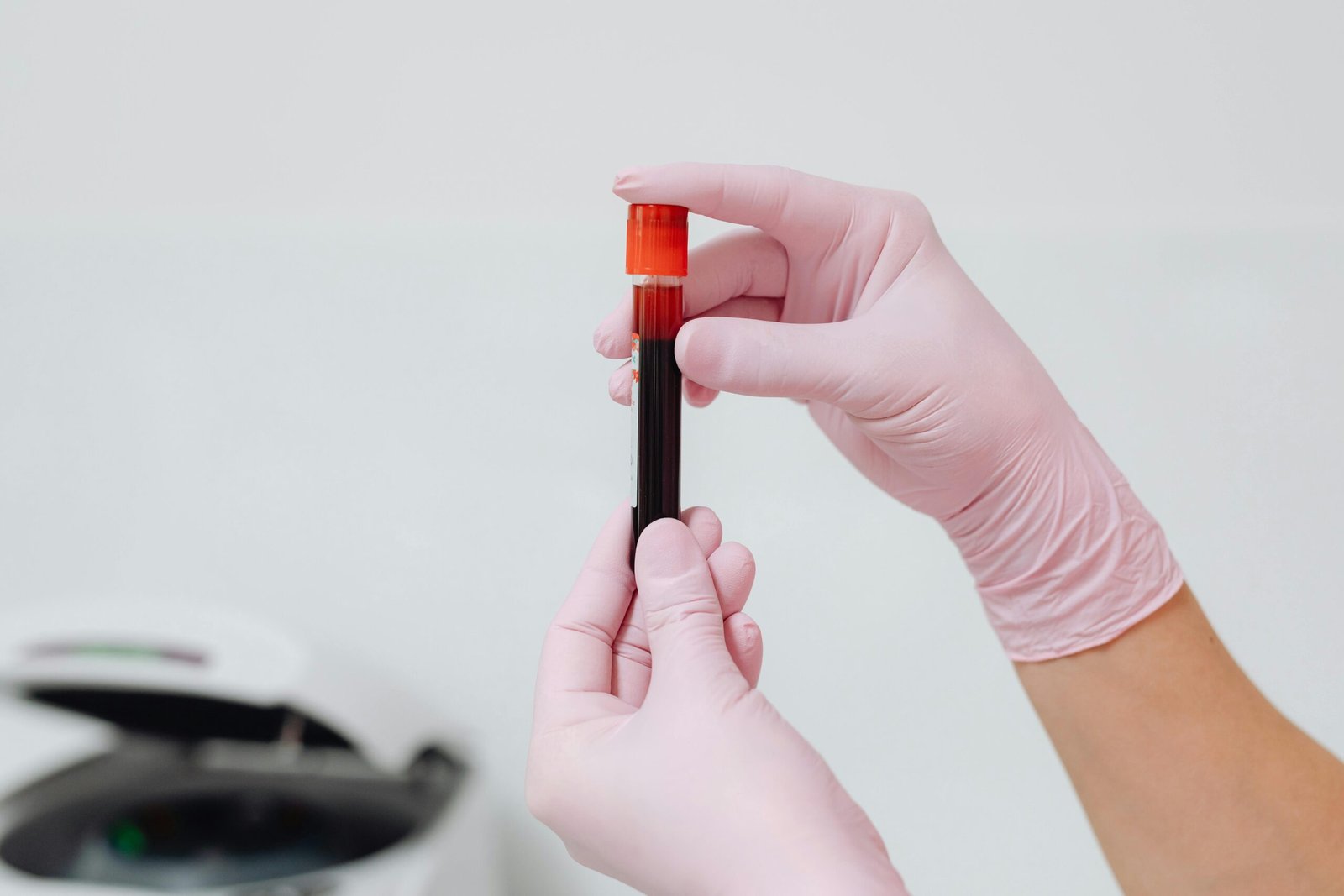
For a while, something might help slightly, but the breakouts always seem to come back. And when you’re doing everything that should clear acne, but it’s not working, it often feels like your body is working against you. The next step a lot of people do is to invest in a hormone test for acne, in the hope that it will finally provide some answers.
I regularly chat with women who have already done hormone testing and still feel no closer to understanding their skin. And it’s because without understanding that deeper piece of the puzzle, it becomes very difficult to clear hormonal acne and keep it clear long term.
How hormones cause acne
When people talk about hormonal acne, they are usually referring to the effect of androgens, which are hormones such as testosterone that influence oil production in the skin.
The sebaceous glands in your skin produce sebum, which is the natural oil that helps keep the skin hydrated. When androgen levels increase or when the skin becomes more sensitive to these hormones, the sebaceous glands start producing more oil. This excess oil can encourage the growth of acne-causing bacteria, cause a buildup of skin cells and create an environment where acne flourishes.
Testosterone can also convert into a stronger hormone called dihydrotestosterone, also known as DHT. This process happens through an enzyme called 5α-reductase. DHT has an even stronger effect on the sebaceous glands.
Another important factor is that hormonal changes can influence not only the amount of oil your skin produces but also the composition of that oil. When androgen activity is higher, sebum can become thicker and more likely to cause issues deeper within the skin. Because of these changes, hormonal acne often appears as deeper cystic spots that take longer to heal.
People with acne can have normal levels of testosterone or DHT in the body, but the sebaceous glands are more sensitive to androgens, or the conversion of testosterone to DHT is happening within the skin. This can be one of the reasons a hormone test looks normal, but the skin is still reacting.
Signs of a bigger hormonal imbalance
However, there are some signs that it might not just be a skin issue. The most common signs of a hormonal imbalance include:
- Irregular or painful periods
- Heavy periods
- Increased facial or body hair growth
- Hair thinning on the scalp
- Mood changes such as anxiety or low mood (which gets a lot worse in the lead up to your period)
- Struggling to lose weight
- Struggling to gain weight
- Fatigue
If several of these signs sound familiar, it might not just be a skin issue; it could be something else going on. So we need to rule out which hormones are off balance, and why.
Why a hormone test alone isn’t helping you clear your acne
Many people assume that once they do a hormone test, they will finally understand exactly what is causing their acne. But there are three main issues with just testing your hormones in isolation:
- You might not get a full hormone panel – when I do blood tests, I like to look at prolactin, FSH, LH, total testosterone, SHBG, DHT, oestrogen and progesterone. This is looking at all your sex hormones to see which ones are off balance and by how much. Everyone assumes it’s just a testosterone issue that affects acne, but that’s not true.
- You don’t know what’s worsening the hormone imbalance – this is what gives you the answers to actually clear your skin.
- It could be that the sebaceous glands are more sensitive – and that’s not going to show up on a hormone test
Ok so you have tested your hormones, now what?
Let’s say your results come back showing high testosterone. The obvious move seems to be to take something to lower testosterone.
But here’s the problem with that logic. Addressing the hormonal marker without understanding what’s driving it is like mopping up a flooded floor without finding the leak. You might make some progress, but the underlying issue is still there, so your acne keeps coming back.
To make real progress with hormonal acne, you need three things:
- To identify which hormones are actually out of balance
- To understand why they’re out of balance
- To work on the why – not just the hormones themselves
What Often Drives Hormonal Acne
When we test hormones without looking at the wider context, we’re missing the answers that are often most responsible for the imbalance in the first place. These are the areas I look at alongside hormones with every client:
Blood Glucose & Insulin Resistance
When people think about hormonal acne, they often assume the problem must be high testosterone. But blood sugar regulation and insulin levels can strongly influence how the skin functions, even when hormone levels appear normal on a blood test.
Insulin resistance can worsen acne in several ways:
- Increase IGF 1. Elevated insulin increases Insulin-like Growth Factor 1, a growth signal that stimulates sebaceous glands and increases oil production.
- Activate oil-production in the skin. Insulin and IGF 1 activate the mTOR signalling pathway, which increases sebaceous gland activity, leading to blocked pores and oily skin.
- Increases testosterone and decreases SHBG – higher insulin levels can increase testosterone and lower Sex Hormone Binding Globulin (SHBG), which means more testosterone remains active in the body (even if total testosterone is at a ‘normal’ level) and can stimulate the sebaceous glands.
This is why testing sex hormones alone does not always give us the full picture when it comes to acne. Someone may be told their hormones are “normal”, but underlying insulin resistance can still drive increased oil production and breakouts. It’s important to look at optimal ranges when it comes to blood glucose, because standard ranges won’t pick up blood glucose issues until you’re almost prediabetic. And your glucose and insulin levels can affect the skin much sooner than when you’d become pre-diabetic.
Gut Microbiome Imbalances
The gut microbiome may also influence acne through what is known as the gut-skin-axis. The trillions of bacteria living in the digestive tract help regulate inflammation, wound healing, nutrient absorption and hormone metabolism. When the gut microbiome becomes imbalanced (often referred to as dysbiosis), it may increase systemic inflammation and affect the signals that regulate sebaceous gland activity and skin healing ability. Since acne is an inflammatory skin condition, these changes in immune and inflammatory pathways can contribute to breakouts.
Gut bacteria also play a role in hormone metabolism. Certain microbes help regulate how hormones such as oestrogen and androgens are broken down and recirculated in the body. If the gut microbiome is disrupted, this process stops working properly, which can worsen hormonal imbalances and acne.
Thyroid Imbalances
Thyroid & reproductive hormones (like oestrogen) are very closely connected. As well, the symptoms of a thyroid issue can often overlap with hormone issues. So a lot of my clients are convinced they have issues with their sex hormones, when actually, when we investigate, it’s their thyroid! Issues with thyroid hormones can cause fatigue, hair thinning, weight gain or weight loss, heavy periods and changes in mood. A full thyroid panel is what gives you more answers, not just a TSH check.
See why we need to dig deep into what’s driving your acne?
How to actually clear hormonal acne
What Testing That Actually Works Looks Like
Rather than a hormone panel in isolation, the approach that gives real answers combines hormones with the other pieces of the puzzle, like:
- Hormones + stool test – to understand the gut-hormone connection
- Hormones + blood glucose & insulin markers – to rule in or out insulin resistance
- Hormones + full thyroid panel – to see if it’s actually your thyroid causing the issues
- Hormones + nutrient markers – to see if nutrient deficiencies could be making your hormones (and skin) worse
When you have all of this together, you’re not just seeing that testosterone is high. You’re seeing what’s feeding it, what’s keeping it elevated, and exactly where to intervene. That’s when targeted, personalised action becomes possible, and that’s when skin actually starts to change. And the good news is, we can run all of these panels in our 1:1 sessions together.
The Holistic Skin Method
This is the approach I take with every client in my 1:1 sessions. There’s no guesswork or generic protocols. It’s a proper investigation into what’s actually going on with your body – followed by a plan that addresses it. Here’s what we do:
- Uncover the underlying drivers of your acne through comprehensive testing (combining two tests like blood + stool)
- Work on those drivers together with a personalised food and supplement plan built around your results
- Stay consistent over 6+ months to see results that last
One of the biggest reasons hormonal acne can feel so stubborn to clear is because most advice focuses just on hormones. You might be told to avoid certain foods, take supplements that claim to balance hormones, or use stronger skincare products.
These can help to manage symptoms, but they’re not getting to the root cause.
When the underlying drivers of hormonal acne are properly identified, it gets a lot easier to gain control over your skin. The breakouts stop feeling so random and uncontrollable, and it becomes much easier to understand how to support the body in a way that allows the skin to heal.
Most women who finally see improvement with their hormonal acne are not necessarily doing more than everyone else. The difference is that they are no longer guessing what their body needs. Instead, they are addressing the specific factors that are keeping their hormones and skin stuck in the same cycle.
And if you’re ready to do the deeper work, you can book your enquiry call by filling out this form.




0 Comments