
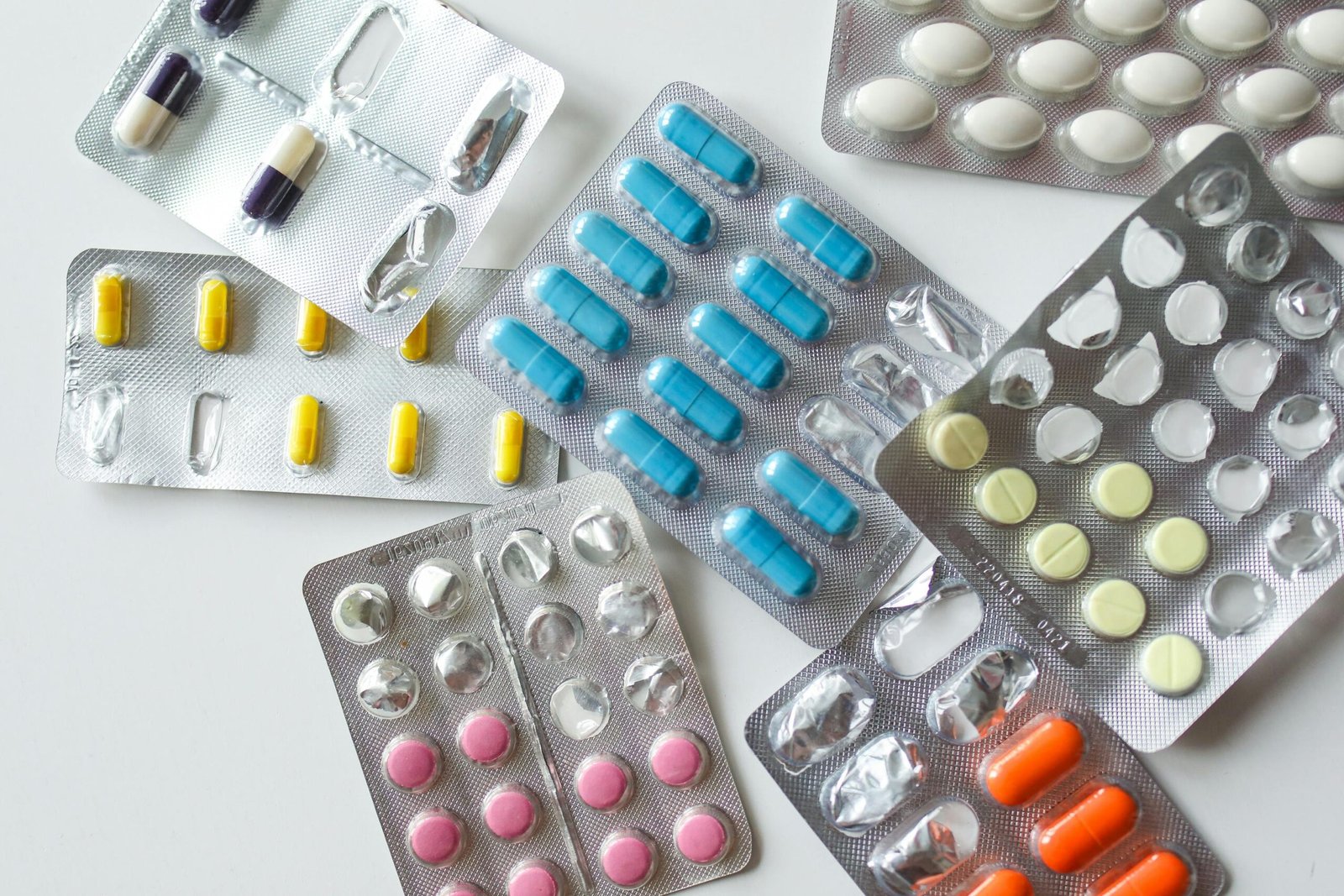
You thought you did everything right. You took the antibiotics, you went on the oral contraceptive pill. Then came the blood tests, the brutal dryness, the lips that were constantly cracked and sore no matter how much balm you used. You pushed through all of it because you believed this was finally going to be the thing that fixed your skin.
And for a while, it looked like it had worked. Your skin cleared, and you thought this was finally the end of the acne struggles. But then slowly the acne started coming back.
And that is the moment your brain started spinning. This is the medication that is meant to clear everyone’s stubborn acne. So why did my acne come back after Accutane? Why has this happened again? Maybe you are on your second course now. Or maybe someone has even told you there is nothing more that can be done and that you are just acne-prone. Maybe a small part of you has started to believe this is just how your skin will be now. Forever.
“I was at my lowest and thought my last resort was to try Roaccutane for the second time. It really got me down so much that I would avoid my loved ones if I had no makeup on.” I hear things like this more often than you might think. And before we go any further, there is something I really want you to know.
Your acne coming back after Roaccutane does not mean you are cursed with acne forever.
It means the root cause has not been found yet. There is always a reason your acne keeps returning. And when we find that reason, your skin absolutely can clear long term.
What Actually Is Roaccutane, Accutane or Isotretinoin?
Roaccutane, Accutane and isotretinoin are all the same medication. They are simply different brand names for a derivative of vitamin A. For this blog I will use the names interchangeably because we are all looking for the same answers no matter which version of the medication you were prescribed. Isotretinoin, accutane & roaccutane work by targeting several of the main mechanisms behind acne at the same time.
It does this by:
- Shrinking the sebaceous oil glands (studies show by up to 90% during treatment)
- Normalising how skin cells shed so pores are less likely to clog
- Reducing inflammation in the skin
- Lowering the growth of acne-causing bacteria
Because it works on several pathways at once, it is considered one of the most powerful acne treatments available. For many people it works incredibly well and their skin stays clear long term. But for some people the miracles don’t seem to last long-term. The acne comes back around a year or so after finishing treatment.
How Common Is It For Acne To Come Back After Accutane?
Research suggests relapse rates can range anywhere from around 10 percent to as high as 60 percent. And interestingly, the risk of relapse was twice as high among men. And the risk of relapse was 3.5 times higher among women not receiving anti-androgen therapy. So something else is clearly going on if men (who don’t recieve any hormone support) relapse more, and women who haven’t had anti-androgen therapy are more likely to relapse – see how it shows something is missing?
This depends on things like:
- Dosage
- Treatment duration
- Age
- Whether the underlying hormonal drivers were ever addressed (or investigated)
If you fall into that group, it does not mean the treatment failed because of something you did wrong. It usually means there are deeper drivers behind your acne that have simply never been investigated. The question you keep asking yourself – why did my acne come back after Roaccutane – almost always has an answer.
We just need to look deeper to find it.
The Real Reasons Acne Comes Back After Roaccutane
When I work with clients who have been through Roaccutane, sometimes twice or even more, and their acne still will not stay away, I start noticing patterns. At this stage the problem is rarely just surface level, the drivers are internal.
And the frustrating part is that they rarely show up on the routine blood tests that are done during Roaccutane treatment, or actually at most points in the conventional acne treatment journey.
Here are some of the patterns I commonly see.
1. Gut Health Imbalances
This is one of the most common things I find and it is also one of the least talked about in conventional acne treatment.
When the balance of bacteria and microbes in the gut becomes disrupted, a state called dysbiosis, it can start affecting multiple systems in the body. And the skin is often one of the places where this shows up.
Sometimes we see overgrowths of organisms like:
- H pylori
- Candida
- Small intestinal bacterial overgrowth (SIBO)
These overgrowths can:
- Interfere with nutrient absorption
- Disrupts hormone balance
- Activate the immune system
- Trigger inflammation that appears on the skin as acne
In other cases, beneficial bacteria levels are simply very low. When that happens the immune support normally provided by those gut bacteria is reduced and the skin struggles to heal properly, and can become inflamed.
The gut and skin are closely connected through something known as the gut skin axis. This is one of the reasons 99% of my client do a stool test to help and clear their acne. You can have a lot going on in your gut with no obvious gut symptoms, the only symptom is that your skin just won’t heal!
2. Hormonal Imbalances
Hormones are another very common driver behind acne relapse after Roaccutane, as the research suggests! And Roaccutane does not address hormonal patterns. While you are taking the medication, it shrinks the sebaceous glands, which suppresses the symptom of acne. As well, for women, they need to be on two forms of contraception to prevent pregnancy, so a lot of women will take the combined oral contraceptive pill alongside Roaccutane. The combined oral contraceptive pill helps to suppress androgens like testosterone, so this might be helping as well. But once the treatment stops and hormones begin stimulating those glands again, the acne can return.
I see this particularly often in women who are also experiencing things like:
- Irregular periods
- Heavy periods
- Painful periods
- PCOS or suspected PCOS
- Thyroid issues
When we start taking a more holsitic approach to skin, and start investigating markers such as:
- Testosterone
- DHT
- Sex hormone binding globulin (SHBG)
- DHEA-S
- Oestrogen
- Progesterone
- Thyroid function
- Insulin resistance & blood glucose control
We often uncover imbalances that have simply never been explored before, and the irony is, this is where you get answers to actually heal your skin. Why is no one checking these areas?!
3. Nutrient Deficiencies
The role of nutrition in acne is still massively underestimated. I still see people claiming nutrition has nothing to do with acne. Honestly, it is 2026. At this point, we really should know better – especially when so many people are still struggling with acne.
When someone has been through:
- Antibiotics
- Oral contraceptives
- One or more courses of isotretinoin
Nutrient depletion can absolutely become an issue, and even more so if you’re not eating the nutrients in the first place. Some research suggests isotretinoin may influence nutrients such as vitamin B12 and folate during treatment, although this varies between individuals.
But more broadly, when I run blood tests for people struggling with acne I frequently see low levels of nutrients like:
- Zinc (important for skin healing, hormones and gut health)
- Magnesium (supports blood glucose and hormone balance)
- Vitamin D (crucial for immune function and skin healing)
- B vitamins (involved in energy production, hormones and detoxification)
- Essential fatty acids (important for skin barrier health, hormones and reducing inflammation)
When the body is depleted of these nutrients, it becomes much harder for the skin to heal properly. You can’t build healthy skin cells if your body doesn’t have the raw materials to do it. These deficiencies often go completely unnoticed on standard GP blood panels because levels usually need to become severely deficient before anything gets flagged.
But even being outside optimal ranges can slow down skin healing significantly.
4. Detoxification And Hormone Clearance
Your liver is constantly working in the background to filter and clear waste from the body, including excess hormones such as oestrogen. One piece of this that almost never gets discussed is that some people have genetic variations known as SNPs. These variations can mean certain detoxification pathways work less efficiently.
When detoxification pathways are sluggish, the body may struggle to clear excess hormones and toxins. This can contribute to hormonal imbalances, increased inflammation and additional pressure on the liver, and all of this can eventually show up in the skin.
Roaccutane itself can also place additional pressure on the liver, particularly at higher doses. That is why regular blood tests are required during treatment. In some clients with persistent acne I explore this area further through genetic testing.
And just to be clear, this does not mean you need to start a celery juice detox. It simply means supporting the liver with the nutrients it actually needs, such as:
- B vitamins
- Protein
- Healthy fats
- Antioxidant-rich foods
Depending on someone’s genetic SNPs there are also situations where targeted supplements such as glutathione can provide additional support.
What We Often Find When Acne Returns After Roaccutane
Across clients whose acne returned after Roaccutane, the most common underlying drivers tend to be:
- Gut microbiome imbalances
- Hormone dysregulation
- Nutrient deficiencies
- Sluggish detoxification pathways
These deeper drivers are rarely investigated during conventional acne treatment.
What Becomes Possible When You Look Deeper
I want to share what two clients said after we worked together to investigate their root causes. Both of them had already been through multiple rounds of Roaccutane and felt like they had run out of options.
“After struggling with acne for over 10 years and two failed Accutane rounds, Emilia has worked magic. I lacked energy and had skin that was constantly breaking out. After working with Emilia my skin got significantly better and heals so much quicker, my energy levels are much better and I feel healthier overall. The biggest thing for me has been learning more about how my body works and what foods are needed to support each part of it. I did not expect my health and energy levels to improve so much as well. I was only aiming to clear my skin but Emilia worked to support every aspect of my body.“
“I contacted Emilia in January after struggling with acne for over 12 years on and off. I was at my lowest and thought my last resort was to try Roaccutane for the second time. It really got me down so much that I would avoid my loved ones if I had no makeup on. I worked with Emilia for around seven months on my nutrient deficiencies and hormonal imbalances through dietary changes and supplements to heal from the inside out naturally. To say I am happy with how far I have come is a complete understatement.“
These outcomes are not unusual. They are what becomes possible when we stop managing symptoms and start addressing root causes.
Clear your acne now
If your acne came back after Roaccutane, whether once or even twice, I really want you to hear this. There is almost always a reason. And once we find that reason, real change is possible.
The root cause of your acne has most likely never been fully investigated. Not because there is not one, but because conventional treatment does not routinely look for it. Roaccutane is a powerful tool, but it is not a root cause solution for everyone.
We uncover the missing pieces that explain why your skin keeps returning to this place through functional testing, and then we create a supplement and diet plan based on these results, to actually clear your skin.
Your skin is not against you, it wants to be healthy! It is trying to communicate that something deeper needs attention, but up until this point, no one has listened to it. If you are ready to find out what is really driving your acne, get started on your journey here.

0 Comments