
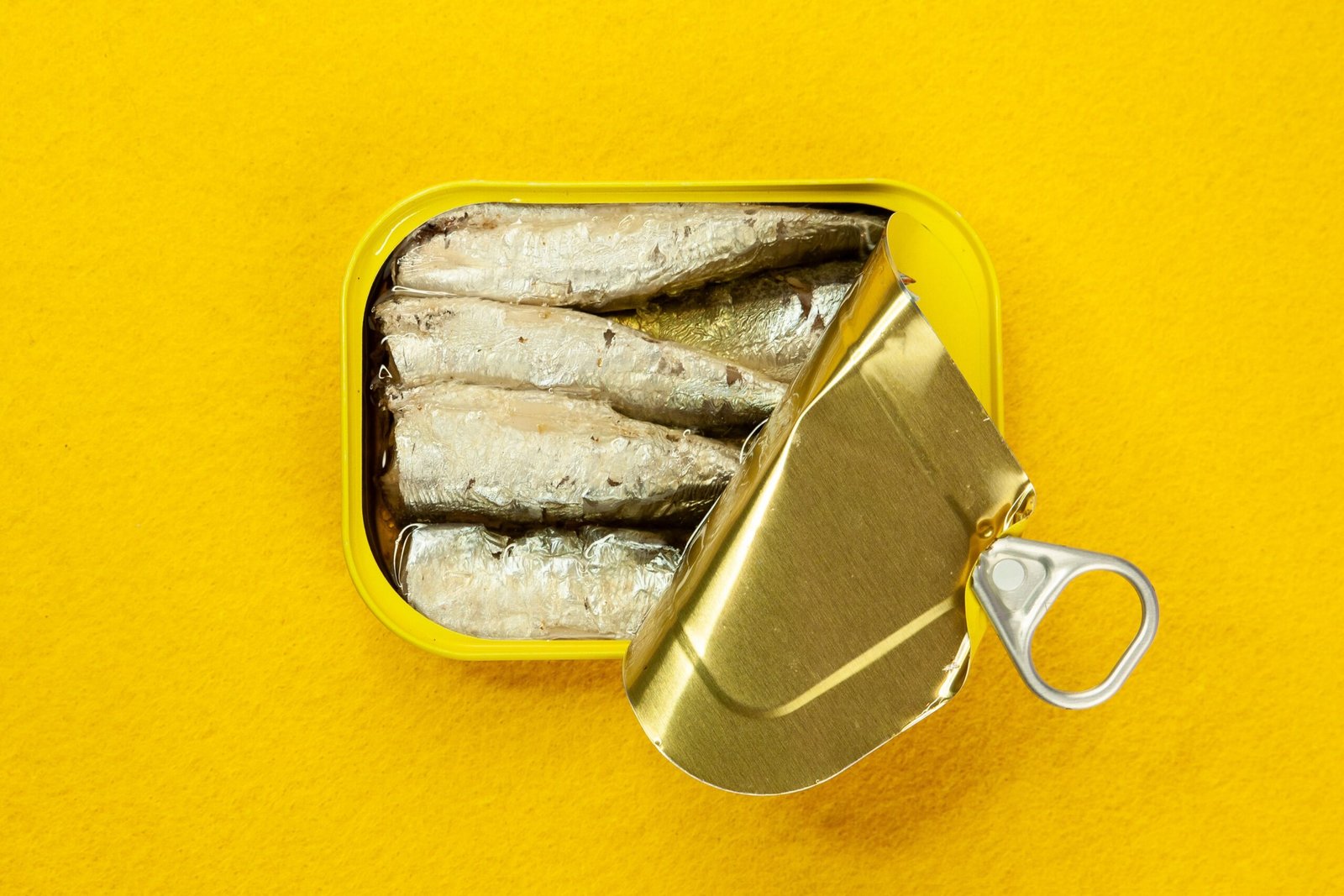
All this ‘maxxing’ is getting a bit crazy now, isn’t it? We’ve had looksmaxxing, fibremaxxing and now there’s even sardinemaxxing.
Over the past year or so, I’ve seen so many videos popping up on Instagram and TikTok with captions like “Me as soon as my skin starts looking dull” followed by someone preparing sardines on toast.
I remember when I was younger, my nan always had tinned salmon in the cupboard, and I thought it was gross. But it seems the internet has collectively decided that tinned fish is cool again. A food that perhaps many people (including me) would have turned their noses up at a few years ago, has suddenly become a health & wellness staple. So much so that I’ve genuinely struggled to find certain tins of sardines in stock when doing my food shop!
As a Registered Nutritional Therapist and Skin Specialist who usually hates wellness trends, I am a fan of this one. Although I’m a bit gutted about the supermarket shelves being low on tinned fish, or the possibility of prices creeping up as demand increases.
But that aside, there’s a good reason why oily fish deserves to be on your plate. So, let’s get into why tinned fish is having its moment, the nutritional benefits, and some recipe inspo if you’re not quite convinced about eating these things.
Why is everyone suddenly eating sardines?
Sardines aren’t exactly a new discovery. They’ve been a staple of people’s diets for a very long time, especially in countries such as Portugal and Spain, where they’re kinda prized for their tinned fish quality.
I remember visiting Lisbon for the first time and being so surprised to see entire shops dedicated to tinned fish. There were all sorts of seafood displayed almost like little luxury gifts. I was amazed!

I really do find it funny how things suddenly start trending. I have no idea what (or who) started this craze, but I think there are a few reasons sardines have become more popular.
- Firstly, there’s the connection with skin, brain, hormone and gut health. And more and more people are becoming interested in ways they can tweak their diet to improve their wellbeing each year.
- They’re also relatively affordable compared with some other sources of oily fish, and need almost no preparation (depending on what you’re doing with them).
But what you need to know is that sardines aren’t the only fish worth eating. There are plenty of other oily fish that offer similar, if not more, health benefits.
Why are oily fish so good for you?
Before we get into individual fish, let’s talk about one of the main reasons why oily fish is so good for us. It’s the essential fatty acids they provide.
Our bodies need fats for a whole host of functions. They help us absorb fat-soluble vitamins (vitamin A, D, E & K), maintain healthy cell membranes, build our brains (about 60% of our brains dry weight is fat!), support hormones, reduce inflammation, keep our cardiovascular system healthy, and even help our eyes. The list goes on (there are actually more benefits), but I think you get the gist!
When it comes to healthy fats, we need to be focusing on omega-3!
There are three main types of omega-3 fatty acids:
- ALA (alpha-linolenic acid) is found in plant foods such as flaxseeds, chia seeds, walnuts and rapeseed oil.
- EPA (eicosapentaenoic acid) is found in the highest amounts in oily fish and algae. It’s involved in regulating inflammation in the body.
- DHA (docosahexaenoic acid) is also found in the highest amounts in fish and algae, and it’s the main structural fat found in our brain, eyes, and nervous system.
Both EPA and DHA are the ones we really need to focus on getting in through diet because they have the most research to show benefits on cardiovascular health, inflammation, brain function and mood, skin health and more. Our bodies have to convert ALA to EPA, and then DHA. And this conversion is pretty low, around 2-11%. So if you don’t eat fish, you’ll likely be low in omega-3.
Unlike plant sources of omega-3, which provide ALA (it’s only algae that have EPA & DHA), oily fish provides the highest amount of EPA and DHA directly. Our bodies can use these fats straight away, without having to convert anything.
The benefits of omega-3 for your skin
You might have noticed that omega-3 is often mentioned when people talk about clearing their skin, or the best supplements to take for healthy skin.
This is because fats play an important role in building a healthy skin barrier and regulating inflammation in the skin. Your skin barrier is like a brick wall. The ‘bricks’ are your skin cells, and the ‘mortar’ that holds everything together is the fats! So this helps to provide a protective barrier and stop things from our environment from entering the skin and causing problems (like inflammation and infections). The other thing is that this barrier helps prevent things from going out of the skin too. Specifically, fats help hold water in the skin so our skin stays hydrated. Because a lot of these fats are essential fatty acids, we need to make sure we’re eating them via food to get the best skin benefits.
Sardines aren’t the only oily fish you should be eating.
Have you heard of SMASH fish? It’s an acronym to help you remember some of the main oily fish:
- S – Salmon
- M – Mackerel
- A – Anchovies
- S – Sardines
- H – Herring
I’d also add trout, kippers, pilchards and sprats to this too, but obviously the acronym would get kinda long then, and it also wouldn’t make as much sense.
So considering we have all these oily fish available, it’s strange that sardines have taken centre stage! But let’s see how all these fish compare in terms of omega-3 content (combined EPA + DHA), with their serving sizes.
- Sardines (1 tin approx.): 900–1,500mg
- Anchovies (5 anchovies, approx. 20g): around 400–500mg
- Mackerel (approx. 140g): around 1,400–6,400mg, depends on the species
- Salmon (approx. 140g): around 1,500–3,000mg
- Herring (approx. 120 g): around 2,400mg
- Kippers (approx. 120–140g): around 2,400–3,000mg
- Trout (approx. 120g): around 1,100mg
- Mussels (approx. 100g cooked meat): around 400–900mg
- Crab (approx. 85g meat): around 300–800mg, depending on the species
The other thing to note is that these fish provide you with other nutrients, such as B vitamins (especially B12), zinc, iodine, vitamin A and small amounts of vitamin D & calcium if you’re eating the small bones (they’re edible in sardines & anchovies). Mussels are an absolute powerhouse of nutrients too.
So now it’s time to branch out on your fish varieties!
How to get more tinned fish into your diet
If you’re not someone who really enjoys fish, I promise you, there are plenty of ways to get it into your meals while hiding the flavour. You might also want to prioritise higher-quality fish if you can afford it, because there’s such a difference in the taste (among other benefits like fish techniques and nutrient content, too). The other thing is, the more you try something, the more your taste will adjust. I’ve had loads of clients who didn’t like fish to begin with, but we’ve managed to get them to eat teriyaki salmon and fish cakes. There’s hope, guys!
Here are a few ideas for meals
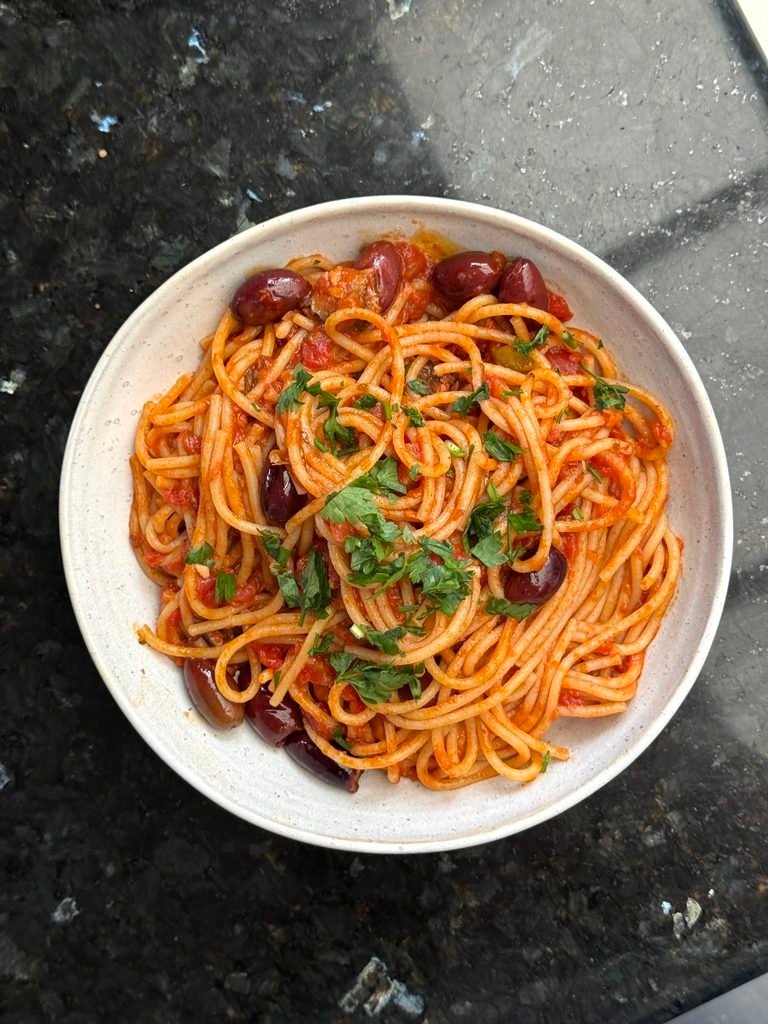
1. Sardine puttanesca
This is one of my favourite ways to use sardines. I take the RecipeTin Eats puttanesca recipe and swap the tuna for sardines.
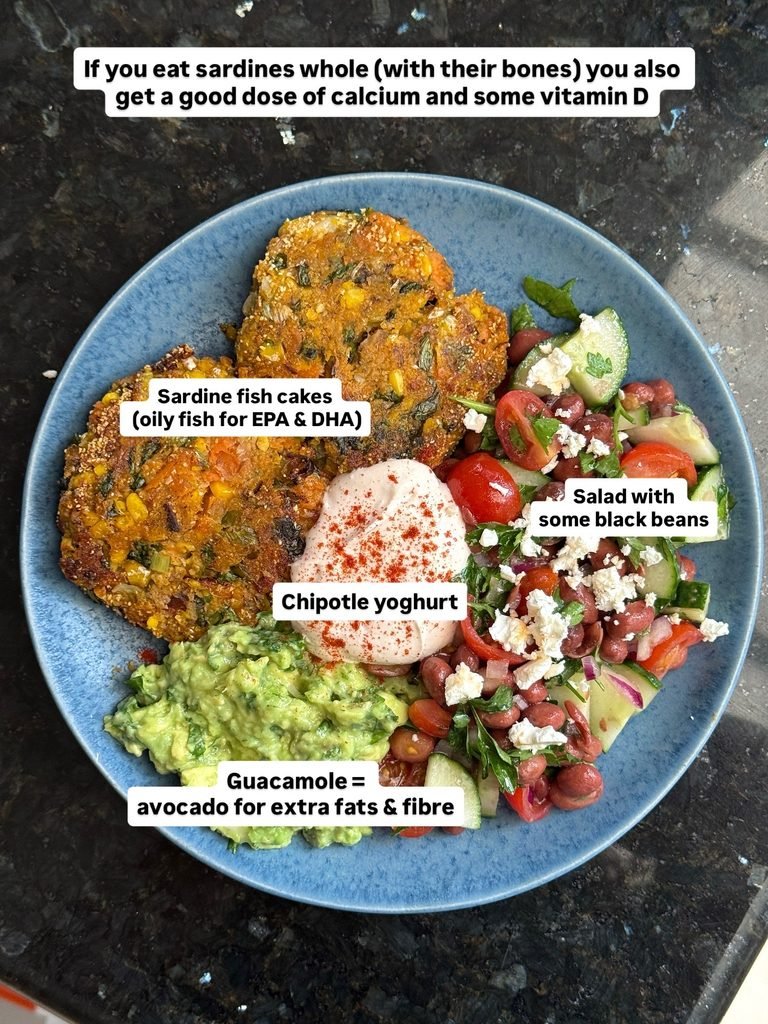
2. Zingy sardine fish cakes
Jamie Oliver has a great recipe for zingy sardine fish cakes. I’ve cooked these a lot and even the fish haters in my family have enjoyed them!
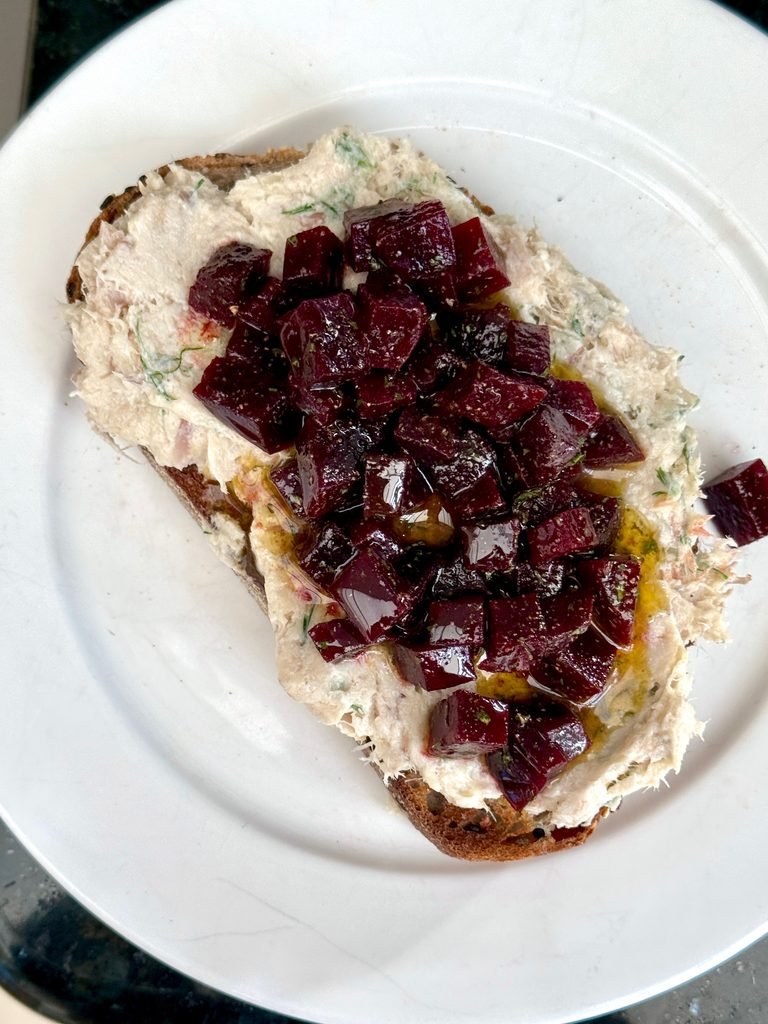
3. Smoked mackerel pâté
This is so easy to make and you can prep it the night before then have it for breakfast, lunch or dinner. The recipe link is here.
4. Cantabrian anchovies on sourdough
Guys, I think this is my favourite snack of all time. I crave this on a weekly basis. You need very good-quality Cantabrian anchovies on toasted sourdough with some good butter (I use the Estate Dairy). Picture below is from Brutto, hence the Negronis!
If you’ve never tried this combination, you need to. Even my brother, who isn’t a huge fish fan, loved these.

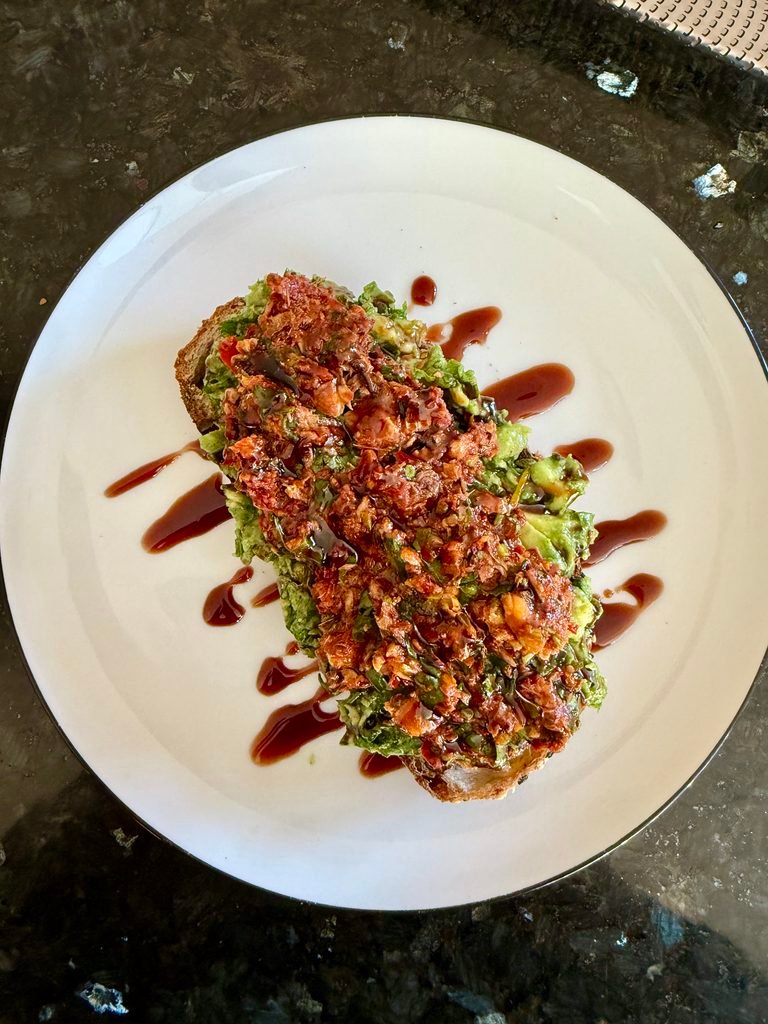
5. Sardines on toast
You really don’t need to overcomplicate things. But these are some harissa sardines I also have as a recipe staple.
Why I always recommend keeping a few tins in your cupboard
Aside from the health benefits, the thing I love about tinned fish is how convenient it is. Having some tinned sardines, mackerel or anchovies in your cupboard means you’ve always got something nutritious to make a meal out of. Guys, I can’t tell you how often I honestly just have tinned fish on toast.
So, is sardinemaxxing actually worth the hype?
As much as I hate wellness and supplement trends, this is actually something I’m all for. But remember, it doesn’t just have to be sardines; expand your variety of fish that you’re eating, and you’ll get even more benefits.
Oh, and PS, if you want weekly meal inspiration, make sure you’re subscribed to Clear Skin Kitchen! My weekly meal plan goes out every Friday; we have oily fish on the menu every week, of course!!




0 Comments