Maybe the problem is actually me doom scrolling, but when I go on my Reels feed, this is what it looks like:
- Video 1: Someone shouting at me from a supermarket because everything is bad for my health.
- Video 2: Someone telling me that I should never touch a receipt because of the endocrine disruptors that transfer through the ink and paper into my body.
- Video 3: Another person sharing their morning routine that includes 20 different anti ageing, bio hacking supplements, red light therapy, an ice bath, a glucose monitor, an NAD+ injection and a mushroom coffee all before 8am.
And I press uninterested on all of them because it’s just boring and exhausting.
Nutritional therapy did change (and maybe save) my life though
The strange thing is that I am someone who genuinely believes in the power of holistic health. A few years ago I was at my absolute rock bottom with my health, both mentally and physically. I felt awful on a daily basis. Somehow, I stumbled across the world of nutrition and started studying it as a last hope that something might be able to make me feel just a little bit better.
And you know what? Nutritional therapy, functional medicine, life coaching and therapy all changed my life.
That transformation inspired me to become a Nutritional Therapist and Skin Specialist, and like most people working in this field, I wanted to help others experience the same changes I had experienced myself. And for years, I was completely immersed in the world of health.
- I read every book I could get my hands on.
- I listened to podcasts constantly.
- I spent hours learning about nutrition, hormones, gut health, psychology and behaviour change.
But over the last few years, something has changed. I have found myself feeling increasingly disconnected from the wellness world.
When did everyone become a wellness expert?
When I first started studying, most of the people creating health content were qualified practitioners, researchers, clinicians and professionals who had spent years studying their field.
Today, wellness has exploded in popularity – which is a good thing, more and more people are interested in their health and making positive changes. For a long time, people (and medical professionals) completely dismissed the idea that your diet, lifestyle and supplements could actually improve your health.
But the problem is that rapid growth has attracted a lot of people who perhaps shouldn’t be positioning themselves as experts. And look, I have no problem with people sharing their stories. Some of the most inspiring people I have met are those who have overcome significant health challenges and openly shared their experiences.
There’s a difference between saying:
“This is my story and what worked for me.”
And saying:
“This is what everyone should do, because it helped me.”
And because the wellness industry remains relatively unregulated, there’s often very little accountability for random people giving random advice. And when unqualified individuals start positioning themselves as experts (often with no consequences), there is genuine potential for harm.
Have we reached a peak with health information?
When I first started learning about nutrition, there were only a handful of podcasts and practitioners. But now, everyone seems to be talking about health. Celebrities are talking about hormones, business coaches are talking about gut health, and influencers are suddenly experts on everything from cortisol to fertility.
And there’s only so many ways to say the same thing.
As a result, people are competing for attention in an increasingly crowded space. This is where we start seeing content become more controversial, more emotional, more dramatic and more click-baity. How can I get the biggest reaction? How can I get more likes, follows and engagement?
It’s where the video claiming that a common food is secretly poisoning you goes viral and everyone takes that advice as gospel. Meanwhile, the genuinely useful advice to eat more protein, fibre and healthy fats gets completely ignored because it’s boring.
Maybe all this controversy has also made people nastier. How many videos do you see now of practitioners calling each other out? Sometimes I think it needs to happen because genuinely harmful information is being shared. But other times it feels like people are just jumping on the back of someone else’s success because ‘outrage’ gets views. I saw a video recently of someone slating a recipe developer because they called their recipe ‘glow toast’ and that it’s not right to claim food can help skin. Like, seriously?
Wellness has become a performance or a status symbol
You know the type of content I mean. Someone posting their 5am reformer Pilates class, followed by their matcha, athletic greens, cold plunge, an injection of NAD+, their perfect HRV score and a personal best on their 5k run, all before most people have even got out of bed.
If your entire day revolves around ‘perfecting’ your health, analysing your sleep score, tracking your blood sugar response to every meal and stressing about whether you’ve followed your routine correctly, have you really improved your wellbeing? Or have you simply created a new source of stress? One that ironically is worsening your health instead of improving it.
Most people enter the wellness world because they want freedom from their symptoms, their fatigue, their low self esteem. But somewhere along the way of trying to improve themselves, they end up being trapped by the very thing that was supposed to set them free.
They’re now afraid of food, afraid of having a day off, afraid of disrupting their routine, afraid of having a good time with their friends.
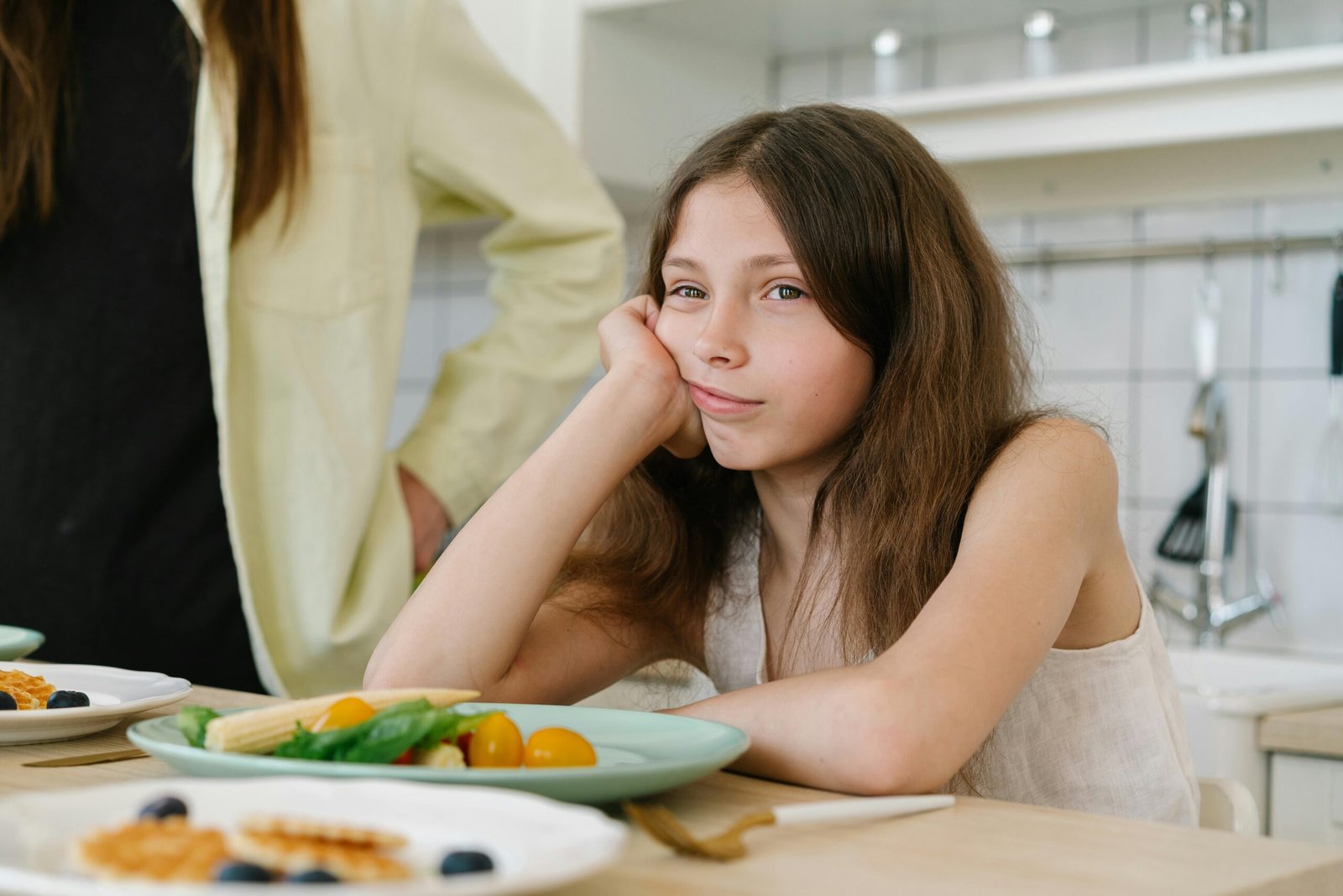
Can we not just live a little? Can we not just have a bit of common sense and realise that part of health is actually having a good time? Eating some pizza and drinking some wine with friends? Having a lie-in with your partner? Sitting in the sun on holiday? Actually being at peace with who you are? Grateful for everything you currently have and have achieved so far in your life?
After spending a lot of time with my grandparents, it really put into perspective just how backwards this has all gone. My grandparents lived long, healthy lives. Were they optimising their health? No. They never even went to the gym! I don’t think my nan would have even known what protein was.
Instead, they spent time with friends and family. They would feel comfortable being bored sometimes (which is actually good for your brain). They walked to the bus stop and to the shops. They knew their neighbours, they had communities, they went dancing. They cooked from scratch and ate mostly whole foods. And they’d drink alcohol, eat cake and smoke sometimes.
What I’m trying to get across is that they literally just lived their lives and did things they enjoyed (not encouraging smoking).
The kind of wellness world I want to be part of
I know what it feels like to wake up exhausted every day, struggle with symptoms and think that feeling rubbish is just part of being an adult. I also know what it feels like to come out the other side and realise just how much better you can actually feel.
That’s why I find this whole thing so frustrating.
Because I genuinely believe that nutrition, therapy, functional medicine and lifestyle changes can transform people’s lives, but somewhere along the way the conversation seems to have become less about helping people feel better and more about who can be the healthiest person in the room.
It just all feels competitive.
Of course I care about eating well and exercising. These things matter, and I’d be a fraud of a Nutritional Therapist if I pretended they didn’t. But I also think there has to be room for common sense and flexibility.
I don’t want to live in a world where people are terrified of birthday cake, drinking coffee on an empty stomach, going out for dinner or convinced that one weekend away has ruined their health forever.
I don’t think that’s wellbeing. I think that’s anxiety.
What I loved about discovering nutrition all those years ago was that it gave me freedom. It gave me more energy, more confidence and more enjoyment of life. It helped me become healthier so that I could focus less on my body and more on actually living.
And when I think about the kind of wellness world I want to be part of, it’s one that still values good nutrition and evidence based advice, but also values friendship, community, laughter, purpose, rest and having a good time. A world where we can care about our health without obsessing over it.
Because if becoming healthier makes your world smaller, more stressful and more restrictive, then I think we’ve missed the point somewhere along the way.

0 Comments