
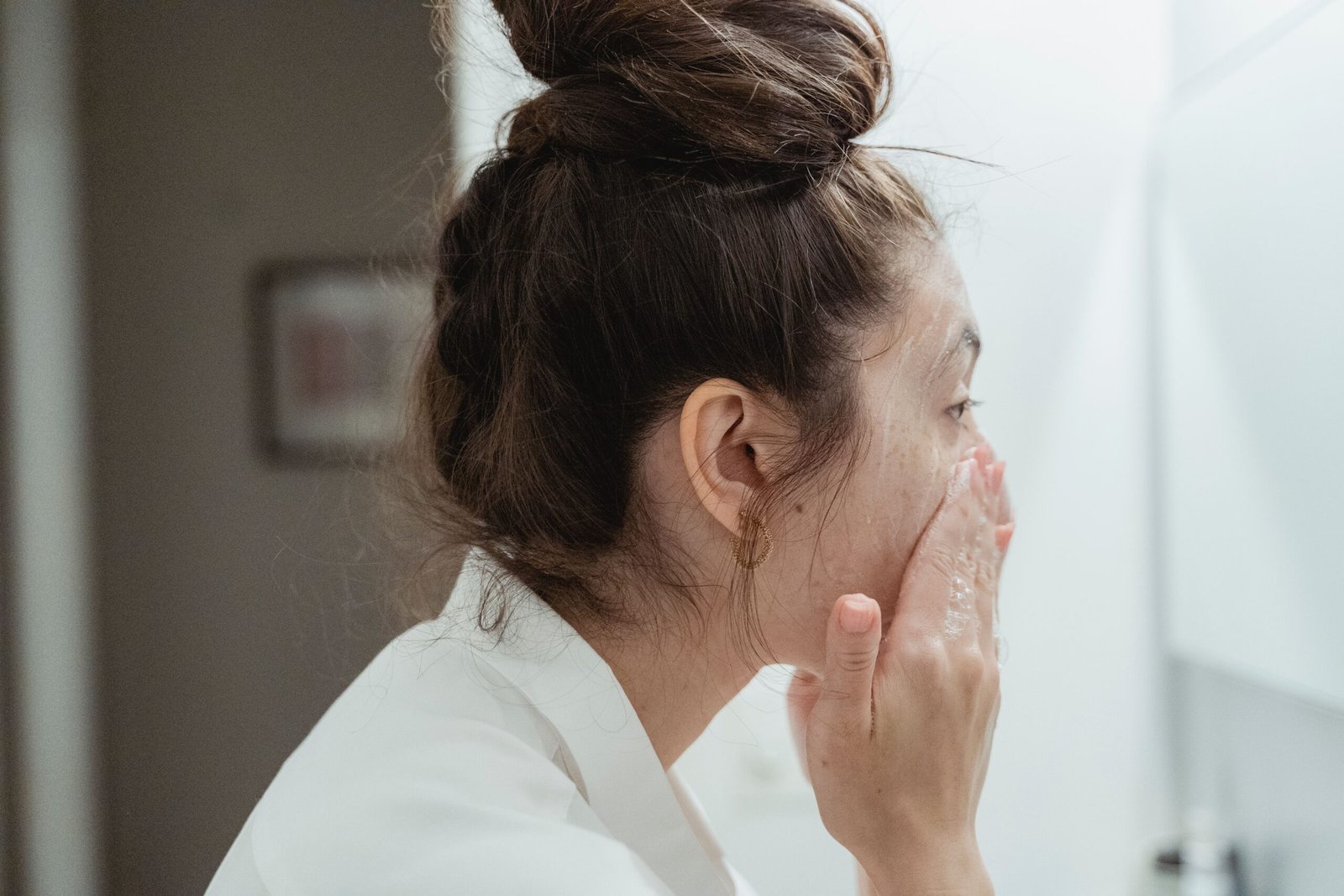
Have you been looking in the mirror recently and feeling like your skin looks dull, lacklustre, or just really tired? There’s a bit of a myth that dull, tired skin is just something you have to accept as you get older (by the way, 30 is not old, as much as people try and say it is).
Most people assume that dull skin is only a topical issue, so the solution must be skincare, Botox, and other treatments. But the reality is that your skin is influenced by much more than just the skincare products you apply. I’m going to run through both the topical and internal reasons your skin can look dull. So you’ll be able to support your skin with diet, supplements, skincare and makeup.
So, let’s look at four reasons why your skin might be looking dull and what you can do about it.
1. A build-up of dead skin cells
One of the most common reasons your skin can look dull is a build-up of ‘dead’ skin cells on its surface. But in corneotherapy, we know that the skin cells aren’t actually dead. They don’t have a nucleus, so they don’t function like the living cells below them, but the corneocytes are actually very important to overall skin health.
New skin cells are made in the deeper layers of the epidermis, and they gradually move towards the surface of the skin. As they reach the top, they flatten, lose their nuclei and eventually shed naturally. This process is known as desquamation – or, as I explain to clients, how your skin naturally exfoliates itself (because that’s a little easier to get your head around!).
When this process is working well, old skin cells shed evenly, which keeps the skin texture smooth. However, when a buildup of skin cells accumulates, they can create an uneven texture on the skin, and this affects how light is scattered off the skin’s surface, which can make the skin appear dull.
The answer to the problem isn’t to aggressively exfoliate, though, as this can cause more issues with the skin. Sometimes, all you need is gentle exfoliation once a week. Here’s how you fix it:
HOW TO FIX IT TOPICALLY:
To correct this you need to be focusing on skin barrier health. To exfoliate, I’d recommend using something like Dermaviduals Enzyme Mask. This contains enzymes from papaya and pineapple to naturally dissolve skin cells that are ready to leave the skin’s surface. You don’t want to go overboard and use multiple acids and exfoliating scrubs, as you’ll see below; it just causes more problems for the skin.
The outermost layer of your skin, known as the stratum corneum, is made up of flattened skin cells (corneocytes) surrounded by a mixture of lipids (fats), including ceramides, cholesterol and fatty acids. The best way to think of this is as a brick wall. Your skin cells are the bricks, while the lipids (fats) act as the mortar holding everything together.
The fats in the skin help to keep water inside the skin, which helps to keep the skin hydrated. This is important because, remember the desquamation process? Well, your skin needs to be hydrated for that natural exfoliation process to happen. Without proper hydration, the natural enzymes in the skin that help these skin cells shed off don’t work properly. Hence, a buildup of skin cells.
Now, if you start using a lot of cleansers and exfoliants, you can pull the fats out of the skin, and this allows water to evaporate out of the skin, making your skin dehydrated! And this is why it’s essential to not go overboard with the skincare, because in a desperate attempt to improve your skin, you’ve ended up making it worse.
HOW TO FIX IT INTERNALLY:
Hydrated skin comes from the combination of fats + water. And the thing is, your body can’t actually make its own essential fats; you have to eat them. That means that to help rebuild your skin barrier and keep it hydrated, you need to be eating healthy fats. And you also need to be drinking water too.
You’ll get the highest dose of EPA & DHA (two types of omega-3 fats) from oily fish. This includes mackerel, salmon, trout, sardines, anchovies, herring and kippers. Oysters, mussels and crab also have high levels of omega-3 too. Aim to get at least 1 serving of oily fish per week to help support your skin. If you don’t eat fish, you’ll need a high dose EPA & DHA supplement.
When it comes to fluid intake, we don’t really have an exact amount of water each one of us should be drinking. Generally, it’s good to aim for 1.5-2.5 litres of water per day. But it will depend on:
- Size & weight
- Exercise levels
- Sweating
If you exercise and sweat a lot (e.g take part in sporting events like marathons), you might need some electrolytes alongside the fluid you’re drinking. Please don’t just start taking electrolyte supplements just because they’re everywhere online at the moment – most of them are so high in sodium too, which is unnecessary if you’re not exercising or have a health condition that warrants that level of electrolytes.
In the winter or colder months, your thirst receptors can naturally decrease. And I’m sure majority of us find it harder to drink as much water as you would in summer. But here are some tips to get around it:
- Tea counts towards your fluid intake – and herbal teas will give you a lot of health benefits at the same time (such as green tea, or caffeine-free options like chamomile, peppermint, etc)
- Soups and stews help to get more fluid in over winter.
2. You’ve got nutrient deficiencies
The process of creating new and healthy skin cells demands a lot of nutrients, which will impact the overall strength of your skin barrier and look of your skin. Things like vitamin A, C, zinc, calcium and B vitamins are all important to get in through your diet.
But if we’re looking specifically at your skin looking more dull, flat, pale or lacklustre, you might need to check your vitamin B12, B9 (folate) and iron levels.
Iron, folate and vitamin B12 all play important roles in the production of healthy red blood cells. Red blood cells contain haemoglobin, a protein that transports oxygen around the body, including to your skin and other tissues.
When you have anaemia (which can be caused by low iron, B12 or folate), your body doesn’t have enough healthy red blood cells or haemoglobin to transport oxygen correctly. And what you might notice is that your skin looks pale, dull or greyish because you’ve lost that natural red/warmer pigment from haemoglobin.
This is why in our 1:1 sessions, I ask you so many questions about your overall health and full-body symptoms. Because if you do have a nutrient deficiency, alongside your skin feeling pale or dull, you might also experience:
- Persistent fatigue or low energy
- Easy bruising
- Hair thinning or increased hair shedding
- Feeling constantly cold
- Breathlessness
- Dizziness or light-headedness
- Brittle nails
- A sore or red tongue
HOW TO FIX IT:
This is purely an internal fix here. Skincare may help improve overall skin texture and radiance, and you can add in vitamins topically like B vitamins, retinol and vitamin C. But skincare can’t correct an internal nutrient deficiency that’s impacting your red blood cells. And what some clients find is that they’ve tried skincare and facials, but their skin still doesn’t seem to have progressed as much as they’d like.
I always recommend getting some blood tests done before taking any supplements. Because you might read this and think, oh, I must need iron! But supplementing with iron when you don’t need it can actually cause damage to the body. If blood testing is something you’d like to do, we can talk about it in our 1:1 nutrition sessions and then put a specific food and supplement plan in place to correct the deficiency (if you have one).
3. Diet and lifestyle factors
We have briefly touched on diet in the previous reasons, but there are also lifestyle factors that will impact how your skin looks. Let’s run through the main ones:
Alcohol
Alcohol can impact the skin pretty quickly (that doesn’t mean one glass of wine has ruined your skin forever, by the way; you can enjoy the occasional drink!). But what you might notice the next morning after having a few drinks is that your skin looks a little dry, dehydrated and dull. This can be because 1) Alcohol is a diuretic and can cause the body to lose water. Less water = dehydrated skin; you might also find you feel a little puffy. 2) Alcohol impacts sleep quality (which I’ll touch on below). People often think that alcohol helps them sleep, and that’s because alcohol is a depressant, which can make it easier to fall asleep. But alcohol disrupts the deeper restorative sleep that your skin and body need to heal and repair.
Long-term abuse of alcohol can have long-lasting effects on the skin, a persistant redness to the face can be a common symptom. Alcohol can also break down collagen and elastin in the skin, which are proteins that help to keep the skin firm, elastic and smooth, and the damage to these proteins can contribute to increased signs of ageing and a dullness to the skin.
Sugar intake
Before you read this, please don’t think it means you can eat any sugar at all. You can. The issue (as with everything) is excessive amounts for long periods of time. One piece of cake isn’t going to destroy your skin. The NHS recommends that sugar intake is kept below 25- 30 g per day. The issue tends to be adding sugar to teas and coffees, and eating a lot of ultra-processed foods which have sugars added to them (so read your food labels).
Glycation happens when sugars bind to proteins in the body, including collagen and elastin, and it damages them. Over time, this can start to impact skin elasticity and increase signs of ageing.
If your diet is high in refined carbohydrates, sugars and low in whole foods like fruits, vegetables, meat, fish, beans, nuts and seeds, you’re also depriving the skin of vital nutrients it needs to function correctly.
Instead of cutting out sugar completely, focus on a balanced diet that includes fibre-rich carbohydrates, protein, healthy fats and plenty of colourful fruit and vegetables.
Exercise
Exercise increases blood flow throughout the body, helping deliver oxygen and nutrients to your tissues. You might notice your skin looks more flushed and radiant after a workout because of the temporary increase in circulation.
Exercise also helps to get your lymphatic system pumping, which helps to support immune function and regulate fluid in the body. Our cardiovascular system has our heart to pump blood around the body. But the lymphatic system doesn’t have a pump; it relies on movement to get it moving. Because the lymphatic system helps to regulate fluids, remove waste and deliver fats to the skin, if you’re not exercising, the system can become sluggish. This can result in dull, dehydrated and puffy-looking skin.
You don’t need to start doing intense amounts of exercise to see a benefit. Any form of movement is good, and the NHS recommends a minimum of 150 minutes per week (so try to hit that goal). Walking, Pilates, strength training, cycling, and dancing are all things you can do. The key is to find something you enjoy so you do it regularly.
Smoking
I think most people know that smoking isn’t good for us. Smoking causes blood vessels to constrict, which can then reduce blood flow to the skin, affecting the delivery of oxygen and nutrients to skin tissues. This can impact the tone and texture of the skin. Some people also end up with yellow-stained skin from the smoke.
Cigarette smoke also contains thousands of chemicals that are known to damage the skin (and other areas of the body). If you do smoke, of course the best way to help the skin would be to stop smoking. But we know that it’s a hard habit to break. I’d make sure that you are trying to get as many antioxidants in your diet, because smoking is going to cause a higher demand for them. This would mean getting as much colour in the form of fruits, vegetables, herbs and spices as possible.
Sleep
There’s a reason people talk about getting their beauty sleep; it’s a real thing! When we sleep, our body goes through multiple processes to build and repair areas of the body. Lack of sleep has actually been linked to increased Transepidermal water loss (TEWL), which is where water evaporates through the skin, causing it to become dehydrated. And as you learnt earlier, dehydrated skin impacts the natural exfoliation process, leading to a duller complexion.
One study did find sleep-deprived people (being awake for 31 hours!) were rated as less healthy and less attractive, compared to when they were photographed after a restful, eight hours of sleep. This study was looking at how others are sensitive to sleep related facial cues. But, we do know that sleep is an essential part of helping the body heal.
The thing with sleep is that we all go through periods of life where sleep is a struggle. Whether you’ve got a stressful period of life, a newborn, or you’re struggling with an illness, they can all impact sleep quality and quantity. Getting 8 hours of sleep every night sounds a lot easier than it actually is sometimes; I’m aware of that. So don’t stress yourself out if you’re sleep-deprived due to the reasons above; your body can cope. Just be aware it might be something that’s influencing your skin if it’s going on for months.
4. You have an olive skin tone
Sometimes, what you’re interpreting as dullness or a ‘problem’ with your skin isn’t necessarily a sign of unhealthy skin. It could simply be your natural skin tone. Olive skin tones naturally have more yellow, blue, and green or greyish undertones.
Unlike warmer skin tones that have a more obvious peachy or golden appearance, olive skin can sometimes look more muted. Often, people with olive skin tones will feel they look healthier with a tan, and this is because the increase in melanin (which can have more brown, black, red and pink tones to it) can help to balance out those cooler tones in the skin. If like me, you always feel like you look ‘sick’ in the winter when you’re at your palest, you might actually have an olive skin tone.
This can make your complexion appear slightly flat or washed out, even when your skin is perfectly healthy. I often find that I love other peoples natural, olive skin tones, and the muted look actually looks very beautiful. However, on myself, I think I look sick – it’s just how we perceive ourselves and how hard we can be on ourselves!
HOW TO FIX IT
I’m guilty of falling into the trap of just feeling so much better with a tan. But exposing yourself to unhealthy amounts of UV rays isn’t going to help your skin in the long term; it’s actually going to make it look worse. All of the things we’ve discussed will help improve the overall look and feel of your skin.
But one of my best recommendations would be to learn how to work with your olive skin tone. If you are olive, you might find that makeup tends to be a difficult area for you. Things either look too orange or warm, or too yellow and cool-toned. And this can happen with everything from foundation to eyeshadow colours.
One of my favourite brands for olive skin tones is Lisa Eldridge Makeup – the foundation colours are incredible; I’ve honestly never had a foundation in my life match the way the Lisa Eldridge one does. Previously, I’d always have to get 2 colours of foundation and mix them myself to get a more natural colour. Her lipstick shades are also great I also find the eyeshadow colours from Charlotte Tilbury work very well on my olive skin tone – the Golden Goddess, Exagger-eyes, The Sophsicate and The Bella Sophia are my favourite palettes. But the Rebel is a nice one for bringing out hazel eyes too. Blush can be another difficult area for olive skin tones – so maybe I’ll do a few blog about products!
The same can happen with clothes and hair colours. And this is where I do think colour analysis is helpful, so you can understand your contrast levels as well as your undertones. It’s surprising how much the right colours of makeup, hair colour and clothing can completely change your appearance.
So, how can you get your glow back?
Hopefully I’ve helped you see there’s a lot that goes into healthy, glowing skin! And if skincare, nutrition, and blood testing are something you need help with, it’s something we can discuss in our 1:1 sessions together. Click here to book a call.



0 Comments